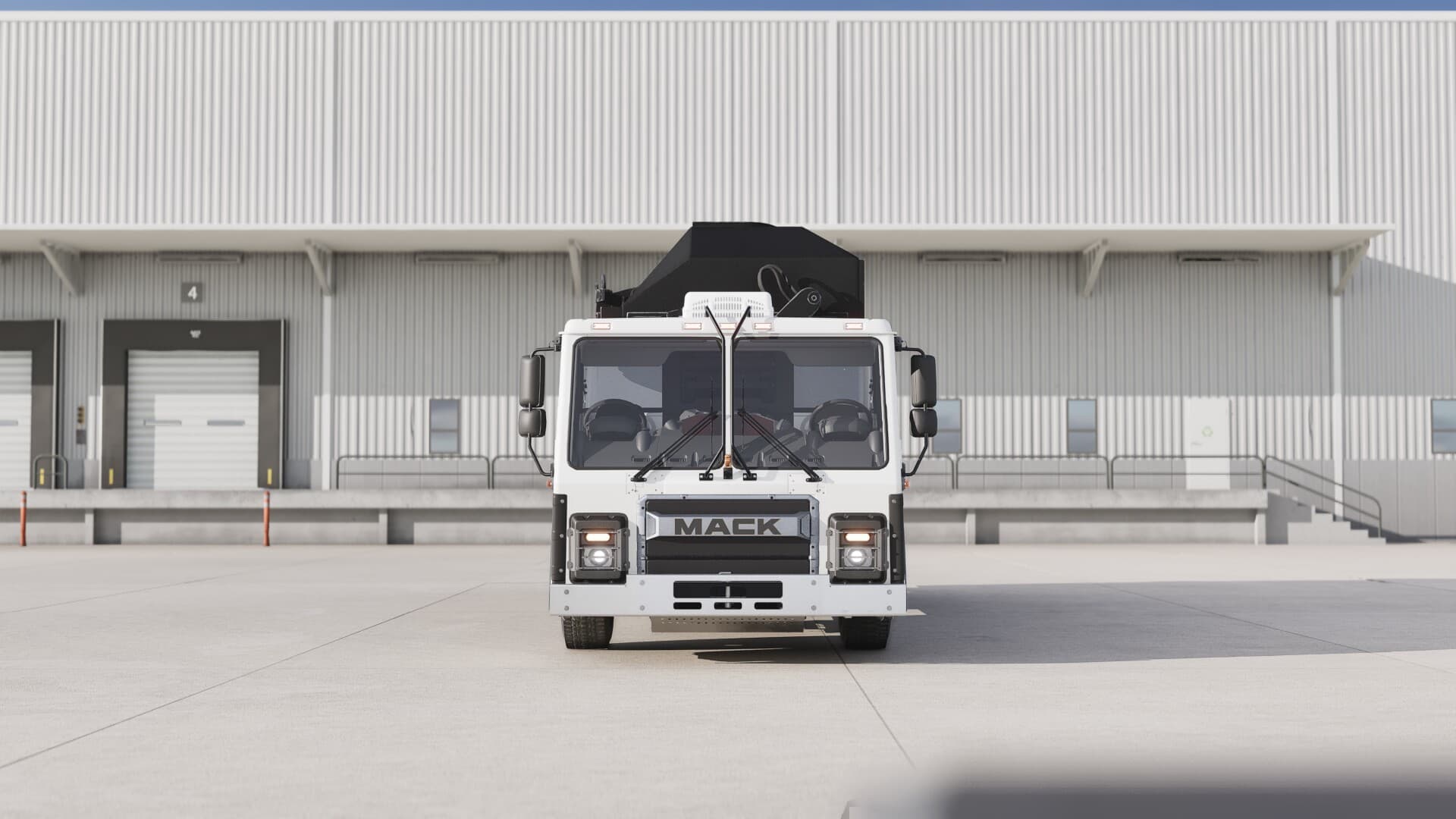
Trade shows remain critical for B2B sales, but the logistics of physical product display create significant cost and limitation. AR and VR technology offers an alternative that's increasingly compelling. ## The Trade Show Challenge Consider a manufacturer displaying industrial equipment at a major trade show: - Shipping costs: $15,000-50,000 for heavy machinery - Booth space: $500+ per square foot - Limited configurations: Only a few variants can be shown physically With AR/VR technology, the same manufacturer can display their entire product catalog in a 10x10 booth. ## Mobile AR: No App Required Modern WebXR technology enables AR experiences that run directly in mobile browsers. Visitors scan a QR code and immediately see products rendered at full scale in augmented reality. Key capabilities: - **Room-scale placement**: Products appear at actual dimensions - **Walk-around viewing**: Visitors physically move to examine details - **Configuration switching**: Change colors, options, and variants in real-time ## VR Showrooms: Immersive Exploration For detailed product exploration, VR headsets provide focused, immersive experiences: - **Environment context**: Show products in realistic usage settings - **Guided tours**: Sales staff lead visitors through key features - **Lead capture**: Visitor information collected at session start ## Offline Operation: Essential for Events Exhibition halls often have unreliable wifi. Effective trade show AR/VR solutions must work offline with pre-cached 3D assets. ## Measuring Trade Show ROI AR/VR booth experiences generate measurable engagement: - Average session duration: 5-8 minutes (vs. 30 seconds for brochure pickup) - Lead capture rate: 85%+ of visitors - Shipping cost reduction: 90%+ for previously physical displays